Liza J. Lee Marketing CommunicationsLiza J. Lee

SEO Copywriting Tips

August 18th, 2010

SEO keywords in your webpages

Think of the internet as a giant library or fountain of information. That information needs to be organized; and the more organized your content, the easier it is for visitors to find your website and have it be relevant to their customer needs. Using only the relevant keywords (one set of keywords per webpage only) is the most important way for visitors to find your website.

Here are the main areas that need your keywords:

1. Title tag – This is the title of your website that usually appears in the actual search engine results. Search engine spiders often look at the title tag FIRST to understand what your site is about. The title tag is one of the most important ways to appeal to both potential visitors and search engines at the same time!

2. Headline and subheading – By including your main keywords in your headline and subheads and wrapping them in tags, you’ll be tipping off the search engines that the site’s content reflects what’s in the heads and subheads, which is an SEO plus.

At the same time, by displaying your best keywords in the headline and subheads, your visitors will immediately see that they’ve come to the right place as soon as they land on your page and your readers will be more likely to stick around.

3. Body copy – Because the search engines “crawl” your site looking for information about how to categorize your site and they also check to see how relevant your copy is, you want to make sure you include your keywords in the site’s body copy.

But overdo it! Search engines can tell when you’re cramming your site full of keywords, called keyword spamming to make better rankings. This will penalize you for too many irrelevant keywords. Make sure that your site actually makes sense to your visitors too!

4. Meta tags – Your descriptive meta tag normally contains a “blurb” that appears with the link to your site which appears on the search engine results. Your keyword meta tags should contain the strongest keywords relevant to each of your pages.

None of the above, on their own, will be enough to improve your site’s rankings, but when done properly, they help give the search engines a more accurate “snapshot” of what your site is about.

5. Image (alt) tags – Search engines can’t “read” (jpg) images, but they can read the alt text that you use to describe these images.

This descriptive text, called an “alt” tag, is one more way to add multiple strong keywords to your site. This, also increases your overall chances of being categorized for that particular term. By using your keywords in your title tag, headline, subhead, body copy, meta tags and image tags, this helps make your web page easier to be indexed and found by search engines.

For more Vancouver SEO copywriting, visit www.lizajlee.com/copywriting.html.

Liza J. Lee Liza J. Lee Liza J. LeeFoursquare

Specification Template for Content Strategy

August 17th, 2010

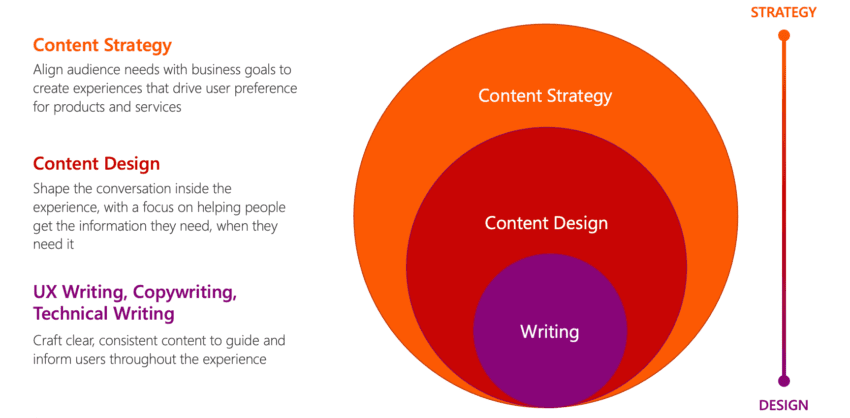
Content strategy includes every aspect of content, including its design, development, analysis, presentation, measurement, evaluation, production, management and governance. It includes the following features:

  • Content inventory
  • Copydeck
  • Content assessment
  • Editorial strategy
  • Content audit
  • Content gap analysis
  • Comparative content analysis
  • Content and messaging strategy
  • Content conversion/migration strategy
  • Content flow schematic
  • Content approval workflow
  • Search Engine Optimization (SEO) strategy
  • Metadata strategy
  • Editorial calendar
  • Brand strategy
  • Style guide
  • Glossary
  • Terms of Use

I created a website specification template for the management of content strategy below.

SPECIFICATION

Name of website

1.0 OVERVIEW OF WEBSITE REQUIREMENT

Visitors will find our services through organize SEO and PPC for information about our services.

2.0 SEARCH ENGINE OPTIMIZATION

Website should be accessible to search engine spiders with SEO research for following keywords:

List keywords

3.0 STYLE AND LAYOUT

  • Add details

3.1 Navigation

Home | About Us | Services | Testimonials | Media | Resources | Contact

3.2 Overall Style and Design

  • Add details

4.0 LIST OF WEBPAGES

4.1 Home

  • Add details

4.2 About Us

  • Add details

4.2.1 Bios (Links to picture, story, social media and contact info)

4.3 Services

  • Add details

4.4 Testimonials

  • Add details

4.5 Media

  • Add details

4.6 Resources

  • Add details

4.6.1 Sitemap Shows the structure of the site and linking to every page on the site

4.7 Contact

  • Add details

4.8 Squeeze Page Opt-in Template

  • Add details

4.9 Squeeze Landing Page Template

  • Add details

5.0 ADDITIONAL REQUIREMENTS

5.1 Opt-in Form

With lightbox code for first-time visits to increase opt-in rate

5.2 Google Analytics Code

Installed on all pages

5.3 Additional Features

  • Add details

Liza J. Lee Liza J. Lee Liza J. LeeFoursquare